- 1. Introduction: Defective, Slow & Burned Meters in MEPCO
- 2. NEPRA Consumer Service Manual (CSM) Regulation 4.4 Rules
- 3. Step-by-Step Average Billing Calculation Mechanics
- 4. Step-by-Step Meter Replacement Procedure at SDO Office
- 5. Burned Meters: Consumer Fault vs Utility Responsibility
- 6. Challenging Inaccurate Meters: Testing at MEPCO M&T Laboratory
- 7. Protecting Against Unfair Detection Bills
- 8. Legal Remedies Under Electricity Act 1910 Section 26(6)
- 9. Modern Anti-Tamper & AMI Smart Meter Replacement Standards
- 10. Frequently Asked Questions (FAQs)
1. Introduction: Defective, Slow & Burned Meters in MEPCO
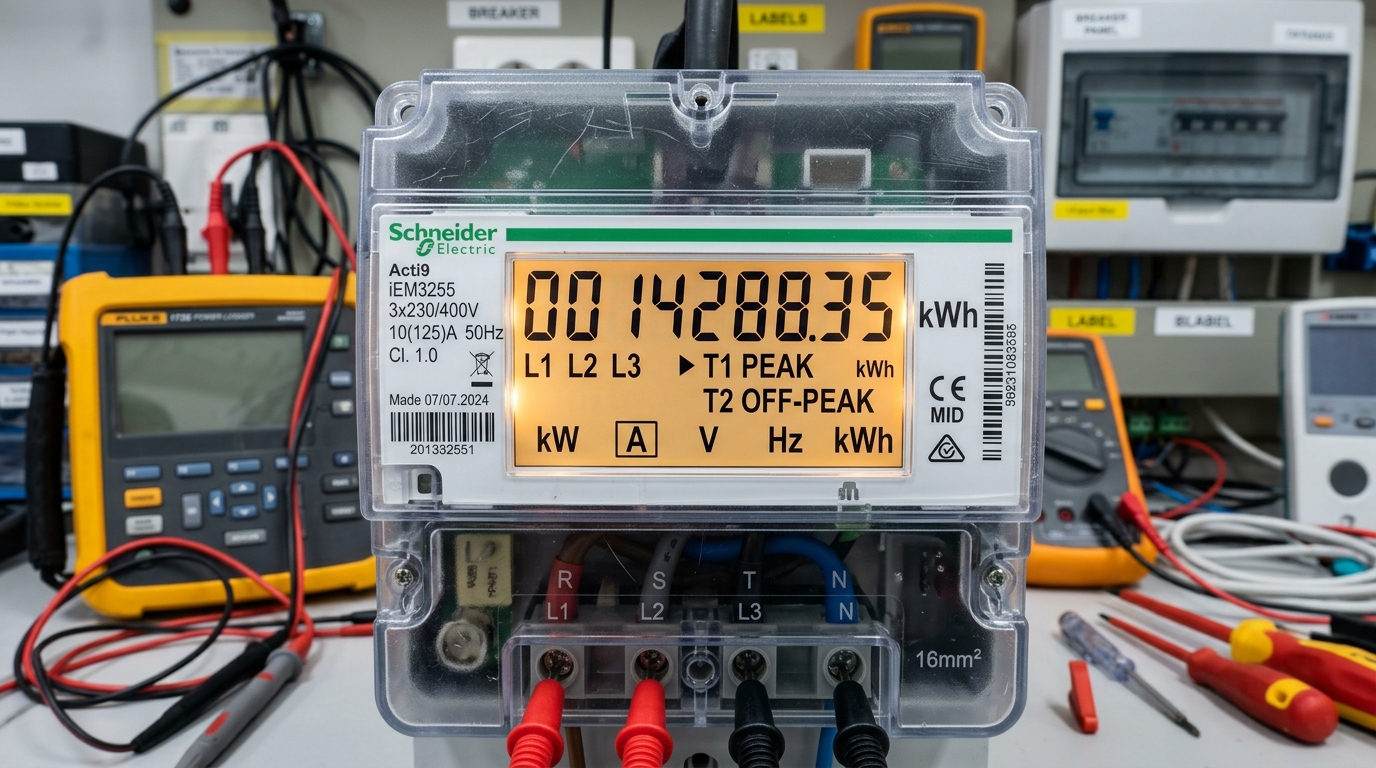
An electric energy meter is the statutory fiscal measuring device that determines the monetary liability between the consumer and the Multan Electric Power Company (MEPCO). However, due to severe environmental heat in southern Punjab, extreme voltage surges, lightning strikes, terminal terminal-screw loose sparking, or internal electronic component breakdown, electricity meters can become defective, display error codes, become sluggish/slow, or suffer total terminal burnout.
When an electricity meter stops functioning normally, consumers often face severe financial complications. MEPCO meter readers may code the meter as DEF (Defective), BUR (Burned), SLO (Slow), or REV (Reverse), triggering estimated Average Billing. If left unaddressed for multiple months, consumers may suddenly be hit with massive, arbitrary detection bills amounting to tens of thousands of rupees. Understanding your statutory rights under NEPRA regulations is vital to resolving meter issues smoothly without financial injury.
2. NEPRA Consumer Service Manual (CSM) Regulation 4.4 Rules
National Electric Power Regulatory Authority (NEPRA) established binding legal guidelines in Section 4 of the Consumer Service Manual (CSM) governing how distribution companies must handle non-registering or defective meters:
- Maximum Duration on Average Billing: Under Section 4.4(a), a DISCO is legally prohibited from keeping any consumer on average billing for more than two consecutive billing cycles. The defective meter MUST be physically replaced within two months.
- Basis of Average Assessment: The estimated units charged during the defective cycle must be calculated strictly based on the consumption of the corresponding months of the preceding year, or the average of the preceding 11 months when historical data is representative.
- Prohibition of Arbitrary Penalties: Meter readers and SDOs are strictly barred from levying arbitrary punitive units simply because a meter has ceased functioning, provided the security seals remain intact.
3. Step-by-Step Average Billing Calculation Mechanics
When your meter display turns blank or stops incrementing units while electrical appliances continue operating, MEPCO billing software switches to estimated calculations. The mathematical formula applied is:
Units Charged = Units Consumed in Same Month of Previous YearExample: If your single-phase meter burns out in May 2026, MEPCO must bill you the exact number of units you consumed in May 2025. If May 2025 consumption was 320 kWh, your defective bill must reflect exactly 320 kWh, plus prevailing 2026 tariff unit rates.
| Defect Scenario | Legal Basis of Assessment | Permissible Timeframe |
|---|---|---|
| Blank LCD Screen (Mechanical Intact) | Same month of previous calendar year | Maximum 2 billing cycles |
| Burned Meter (External Voltage Surge) | Historical average of prior 11 months | Replacement within 15 to 30 days |
| Suspected Slow Meter (Line Loss) | Tested accuracy factor from M&T Lab | Assessed only for verified duration (max 2 months) |
| Tampered / Broken Terminal Seal | Subject to formal Detection Bill committee | Regulated under NEPRA CSM Section 9 |
4. Step-by-Step Meter Replacement Procedure at SDO Office
If you notice your meter LCD screen is dead, flashing red fault lights (EARTH / REVERSE), or damaged by severe weather, execute these formal steps immediately:
- Draft a Formal Application: Write an application addressed to the Sub-Divisional Officer (SDO), MEPCO [Your Sub-Division Name], stating your consumer reference number, full name, address, and description of the meter malfunction.
- Attach Documentation: Enclose a clear photograph of the defective meter display, a photocopy of your CNIC, and a copy of your most recent paid electricity bill.
- Submit to SDO Clerk & Obtain Dairy Number: Hand over the application at the sub-divisional office and insist on an official Dairy Receipt Number stamped on your duplicate copy.
- Lineman Site Verification: The SDO will dispatch a line superintendent (LS) or lineman to perform physical verification and prepare a Meter Change Order (MCO).
- Installation of New Calibrated Meter: MEPCO technical staff will remove the defective device, record the final readable mechanical index or internal telemetry, and install a brand-new digital energy meter with official yellow terminal security seals.
5. Burned Meters: Consumer Fault vs Utility Responsibility
One of the most contentious issues between consumers and MEPCO line staff is determining financial responsibility for burned meters:
- Burned Due to Distribution System Surges / Loose Neutral: When high-voltage surges occur due to transformer neutral wire detachment or 11kV cross-phase sparking, the meter burnout is 100% MEPCO's legal responsibility. The replacement meter must be provided free of charge.
- Burned Due to Consumer Overloading: If a consumer contracted for a 1 kW sanctioned load is operating three 1.5-ton air conditioners totaling 6 kW, causing terminal lug meltdown, MEPCO may issue a Meter Cost Notice (ranging from Rs. 4,500 to Rs. 8,500 for single-phase meters). However, line staff must provide tangible photographic proof of internal overload before billing the consumer.
6. Challenging Inaccurate Meters: Testing at MEPCO M&T Laboratory
If your meter appears to run unusually fast, spinning units even when all heavy home appliances are disconnected at the main distribution board breaker, you have the right to request a formal bench accuracy calibration test:
- Deposit the official Meter Testing Fee (approx. Rs. 200 for single-phase, Rs. 500 for three-phase) via an SDO challan.
- The meter is sealed in your presence and dispatched to the MEPCO Meter & Testing (M&T) Laboratory.
- You have the legal right to be physically present or designate a representative during the electronic test bench calibration.
- If the testing reveals the meter was running over +2.5% fast, MEPCO is obligated to refund the excess units charged over the prior 6 months and replace the meter free of cost.
7. Protecting Against Unfair Detection Bills
Never sign blank papers or informal compromise documents presented by line staff during defective meter inspections. If an SDO issues an inflated detection bill claiming your defective meter was slowed intentionally, immediately lodge a formal statutory petition under Section 26(6) of the Electricity Act 1910 before the Provincial Electric Inspector (Energy Department, Government of Punjab) in Multan, Sahiwal, or Bahawalpur. By law, the Electric Inspector has the exclusive legal authority to quash improper detection bills.
8. Legal Remedies Under Electricity Act 1910 Section 26(6)
Section 26, Subsection 6 of the Electricity Act 1910 is the ultimate legal shield for consumers facing hostile DISCO actions. The statute explicitly specifies: "Where any difference or dispute arises as to whether any meter is or is not correct, the matter shall be decided, upon the application of either party, by an Electric Inspector; and where the meter has, in the opinion of such Inspector, ceased to be correct, such Inspector shall estimate the amount of the energy supplied to the consumer."
When you file an application before the Electric Inspector, MEPCO is legally restrained from disconnecting your service, removing your meter without judicial permission, or coercing payment of disputed detection amounts until the judicial decision is pronounced.
9. Modern Anti-Tamper & AMI Smart Meter Replacement Standards
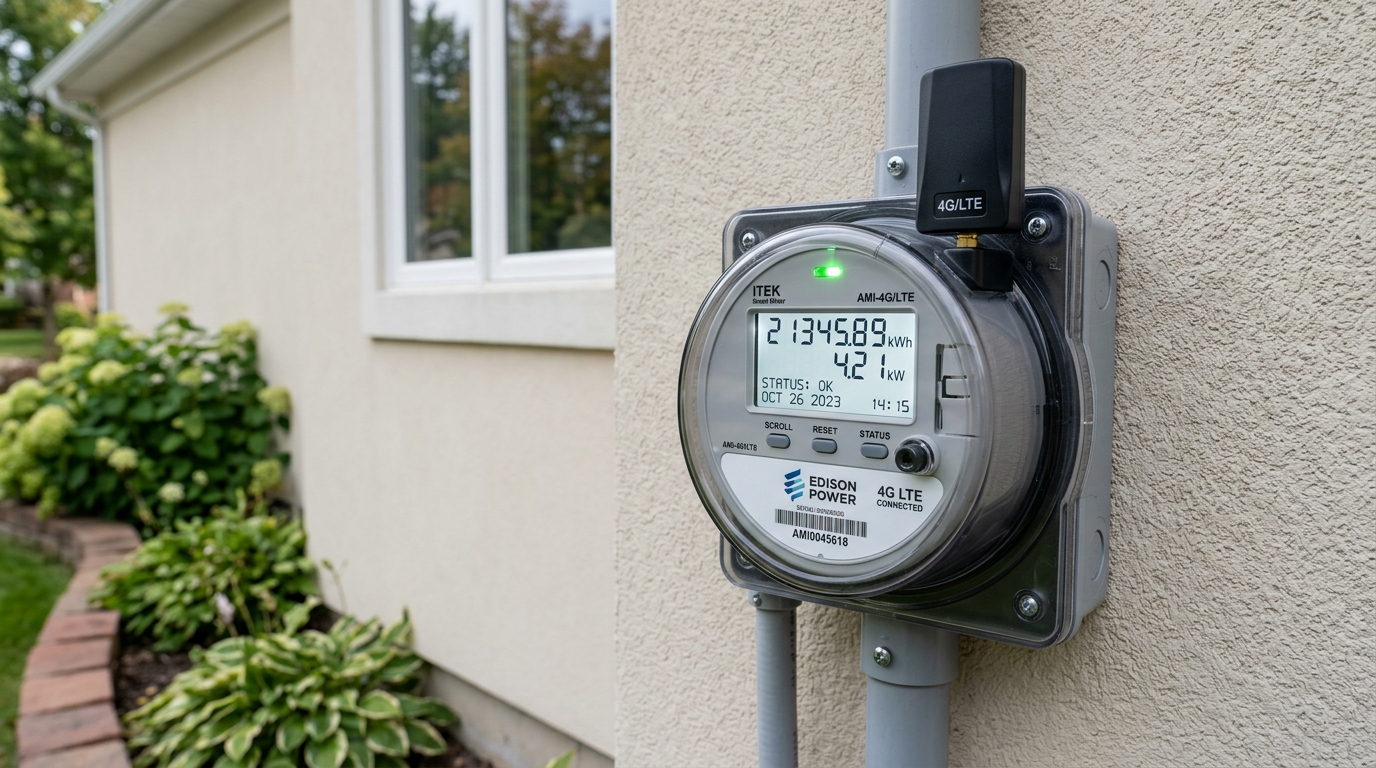
As part of modernization plans, MEPCO is replacing obsolete mechanical and early digital meters with modern Smart AMI Meters. These advanced units feature optical tamper sensors, reverse energy logging, magnetic field detection, and cellular SIM communication. When an AMI meter detects an internal fault or burned terminal, it automatically transmits an error code to the central grid station without requiring customer intervention.
10. Frequently Asked Questions (FAQs)
Q1: How long does MEPCO take to replace a burned electricity meter?
Under NEPRA standards, single-phase meters must be replaced within 2 to 7 working days, and three-phase meters within 15 days of lodging the complaint.
Q2: Can MEPCO bill me average units indefinitely if they have a shortage of new meters?
No. NEPRA explicitly restricts average billing to a maximum of 2 consecutive months. If MEPCO lacks stock of meters, they cannot penalize the consumer with inflated estimated bills beyond that period.
Q3: Will installing a new meter change my consumer reference number?
No. Your 14-digit reference number remains identical. Only the Meter Serial Number displayed on your monthly bill will change to reflect the newly installed device.