Sub-Meter Installation & Accurate Tenant Electricity Bill Calculation in Pakistan 2026 | BillsOnlinePk
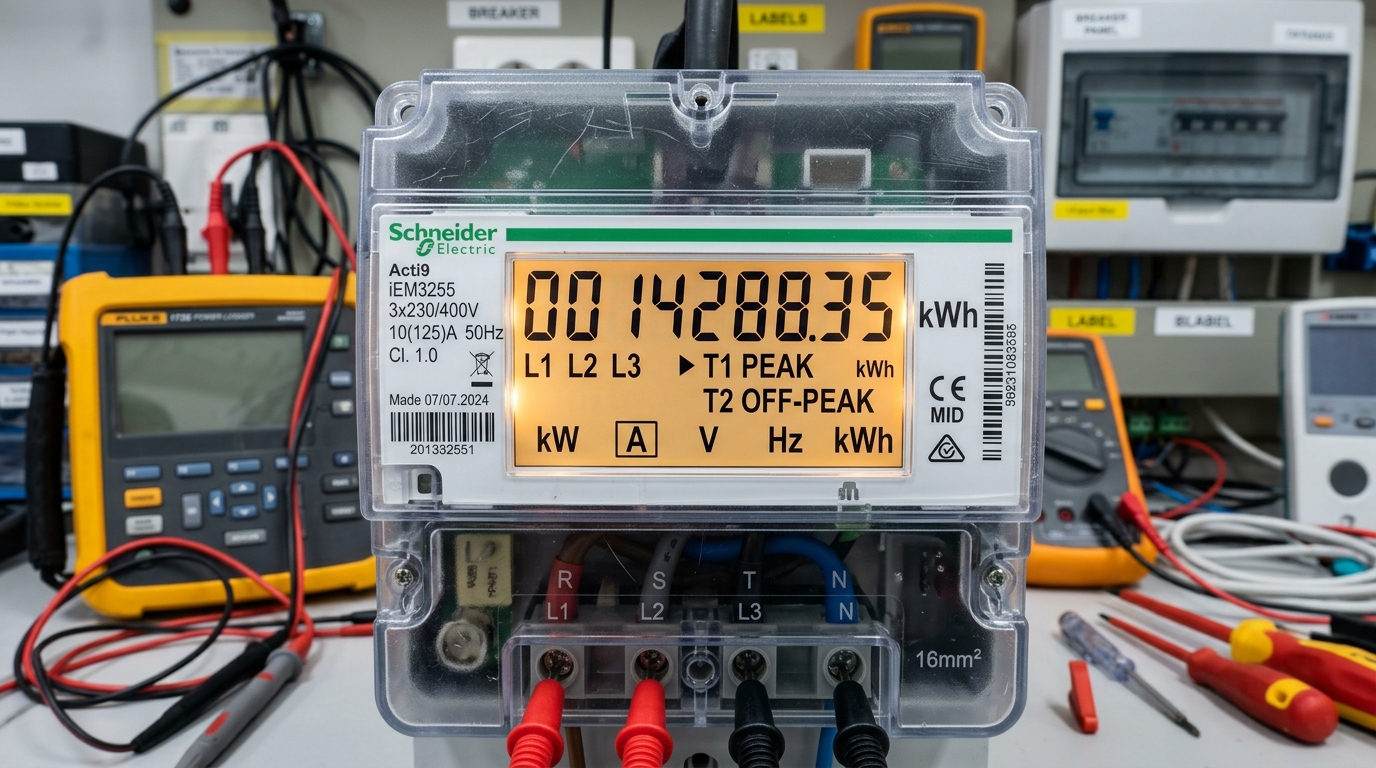
Executive Summary: In Pakistani rental real estate—where multi-story houses in Lahore, Karachi, Rawalpindi, and Islamabad are frequently partitioned into separate residential portions for tenants or joint families—the monthly arrival of the electricity bill is almost universally accompanied by intense arguments, distrust, and bitter disputes. When a landlord and multiple tenants share a single main utility meter, calculating who owes what is fraught with mathematical confusion. Progressive tariff slabs, fuel price adjustments (FPA), financing surcharges, and 18% GST mean that a tenant consuming 150 units cannot simply be billed at the lower "protected" unit rate if the landlord's air conditioners pushed the combined meter into the punitive 700+ unit bracket (Rs. 65+ per unit)! Conversely, landlords who arbitrarily bill tenants flat rates of Rs. 65 to Rs. 75 per unit face legal challenges and accusations of illegal utility reselling. This definitive 2026 landlord-tenant guide provides exact mathematical proportional bill calculation formulas, digital sub-meter installation schematics, neutral isolation protocols, and model rental lease clauses.
Table of Contents (Jump to Section)
- 1. The Core Dilemma: The Progressive Slab Multiplier Effect
- 2. The Legally Sound Formula: Proportional Ratio Bill Distribution
- 3. Technical Sub-Meter Installation: Mechanical vs Digital vs Smart DIN-Rail
- 4. Critical Wiring Architecture: Preventing the "Shared Neutral" Disaster
- 5. The Ultimate Long-Term Solution: Applying for an Independent Separate Meter
- 6. Common Sub-Meter Disputes & Legal Precedents in Pakistani Rent Tribunals
- 7. Model Electricity Billing Lease Agreement Clause
- 8. Frequently Asked Questions (FAQ)
1. The Core Dilemma: The Progressive Slab Multiplier Effect
To understand why shared electricity billing creates bitter conflict, we must examine Pakistan's progressive domestic tariff architecture:
- The Combined Slab Jump: Consider a 2-story house with a Landlord on the ground floor and a Tenant on the first floor sharing a single MEPCO/LESCO meter:
- If the Landlord consumes 350 units and the Tenant consumes 150 units, the main meter records 500 total units.
- At 500 units, the connection loses protected consumer status and enters the high non-protected slab, where unit rates jump to Rs. 45+, accompanied by heavy fuel adjustments and 18% GST.
- The Unfair Flat-Rate Trap: If the Landlord bills the Tenant using a simple average rate (Total Bill ÷ Total Units), the Tenant pays Rs. 55 per unit for their modest 150 units (which would have cost only Rs. 18 per unit on an independent meter!). Conversely, if the Tenant only pays the base rate for 150 units, the Landlord absorbs the entire financial burden of the higher slabs and taxes caused by the combined consumption!
2. The Legally Sound Formula: Proportional Ratio Bill Distribution
Under legal dispute resolution guidelines adopted by Rental Tribunals and Consumer Courts across Pakistan, the most equitable mathematical method is the Proportional Ratio Formula:
Tenant Payable Amount = (Tenant Sub-Meter Units ÷ Main Meter Total Units) × Total Utility Bill Amount
Practical Real-World Example:
- Main DISCO Bill Total: Rs. 32,500 (for 600 total units consumed, including all FPA, GST, TV fee, and surcharges).
- Tenant Sub-Meter Reading: 180 units.
- Landlord Main Units (Residual): 600 - 180 = 420 units.
- Tenant Calculation: (180 ÷ 600) = 0.30 (30% of total consumption).
Tenant Pays: 30% of Rs. 32,500 = Rs. 9,750. - Landlord Calculation: (420 ÷ 600) = 0.70 (70% of total consumption).
Landlord Pays: 70% of Rs. 32,500 = Rs. 22,750.
This proportional formula automatically distributes all fuel adjustments, government taxes, and slab escalation in exact proportion to the energy each party physically consumed, eliminating accusations of extortion.
3. Technical Sub-Meter Installation: Mechanical vs Digital vs Smart DIN-Rail
Selecting and installing a certified sub-meter is critical for ensuring reading accuracy and tenant trust:
- Never Use Scrapped Mechanical Disc Meters: Discarded electromechanical induction disc meters salvaged from scrap markets suffer from worn jewel bearings, loose brake magnets, and internal mechanical friction. They frequently run 15% to 25% slow or creep forward continuously.
- Digital Static Sub-Meters (Class 1.0 Accuracy): Install a modern static electronic digital sub-meter (such as MicroTech, Tomzn, or Chint) featuring an LCD display showing cumulative kilowatt-hours, instantaneous wattage, and a tamper-evident impulse LED (1,600 or 3,200 pulses/kWh).
- Tamper-Proof Lead Sealing: After the electrician connects the sub-meter, apply a numbered plastic security seal or numbered holographic sticker over the terminal cover screws in the tenant's presence. Record the seal serial number on the rental agreement to prevent allegations of meter bypassing.
4. Critical Wiring Architecture: Preventing the "Shared Neutral" Disaster
The #1 technical wiring error encountered in Pakistani rental properties is a Shared Neutral Conductor:
- The Return Path Bypass: In older houses, lazy electricians often ran a dedicated live phase wire to the tenant's portion but connected the tenant's neutral wire to the landlord's existing neutral busbar.
- Inaccurate Sub-Meter Reading: In modern digital sub-meters equipped with dual-sensing CTs, a shared or bypassed neutral causes the sub-meter to miscalculate current vectors, recording erratic readings or logging an "Earth Tamper" error.
- Mandatory Complete Circuit Isolation: The tenant's electrical wiring must be 100% physically isolated. Both the Phase and Neutral wires must originate from the sub-meter terminals and run inside dedicated conduits to the tenant's distribution panel with zero cross-connections.
5. The Ultimate Long-Term Solution: Applying for an Independent Separate Meter
While sub-metering is a functional short-term fix, the ultimate financial and legal solution for Pakistani landlords is applying for an Independent Separate Utility Connection:
- The ENC Multi-Portion Application: Under DISCO regulations, a multi-story property with independent kitchen facilities, a separate entrance, and independent plumbing qualifies for its own independent official meter under the "Separate Portion" rule.
- Enormous Slab Savings: By splitting 800 total monthly units across two independent utility meters (400 units each), both portions avoid the extreme 700+ unit bracket, saving between Rs. 25,000 and Rs. 40,000 in combined monthly electricity bills! The upfront cost of installing an official second meter (approx. Rs. 25,000 for Demand Notice and cable) is fully recovered in just 1 to 2 months of utility bill savings!
6. Common Sub-Meter Disputes & Legal Precedents in Pakistani Rent Tribunals
Rent Controller Courts and Consumer Tribunals across Punjab, Sindh, and Islamabad have established clear legal principles regarding tenant utility billing:
- Prohibition on Commercial Overcharging: A landlord cannot legally charge a tenant an arbitrary flat rate that exceeds the actual average cost per unit shown on the official utility bill. Charging Rs. 80 per unit on a domestic meter constitutes unlawful commercial reselling of electricity without a NEPRA distribution license.
- Mandatory Production of Original Utility Bill: Tenants have the absolute statutory right to inspect the original DISCO electricity bill before making payment. A landlord cannot simply write a hand-written note demanding money without providing photocopies of the official utility bill and sub-meter opening/closing readings.
7. Model Electricity Billing Lease Agreement Clause
To prevent future misunderstandings, landlords should incorporate this standardized legal clause into their formal Tenancy Agreement:
"The Tenant shall be billed for electricity consumption based on the readings of the dedicated digital sub-meter installed in the premises. The payable amount shall be calculated in exact proportion to the Tenant's unit share of the total official utility bill (Formula: [Tenant Sub-Units ÷ Main Bill Total Units] × Main Bill Payable Amount). The Landlord shall furnish a photocopy of the original official utility invoice alongside the sub-meter reading photograph upon bill presentation."
8. Pre-Paid Digital Sub-Meters: Eliminating Rental Cash Collection Completely
For Pakistani landlords managing multiple rental portions, hostel rooms, or commercial plaza shops, collecting monthly utility payments manually is a time-consuming administrative headache. The modern technological breakthrough is the Pre-Paid Smart Sub-Meter with Smart Card / Mobile Recharge (manufactured by MicroTech, Inhemeter, or Tuya Pre-Paid series).
Operating identically to mobile phone scratch cards, the tenant purchases electricity credits in advance (e.g. paying Rs. 5,000 for 100 units). The landlord enters the recharge token into the digital meter via an RFID keycard or smartphone Bluetooth app. The digital meter displays remaining unit balance. When credit drops to 10 units, an internal alarm beeps; if credit reaches zero, an internal motorized contactor disconnects power automatically! This eliminates tenant arrears, billing disputes, and unpaid utility departure defaults completely.
8. Frequently Asked Questions (FAQ)
What is the fairest formula to calculate tenant electricity bills on a sub-meter in Pakistan?
The Proportional Ratio formula is the fairest: Divide the tenant sub-meter units by the total units on the main utility bill, then multiply by the total bill amount. This distributes all taxes, fuel adjustments, and slab rates proportionally.
Can a landlord charge a flat rate of Rs. 70 per unit from a tenant?
No. Charging arbitrary flat rates higher than actual utility rates constitutes illegal commercial reselling of electricity under NEPRA regulations. Tenants have the legal right to inspect the original utility invoice.
Can I get a separate official electricity meter for the upper floor of my house?
Yes! If the upper floor has an independent kitchen, separate bathroom plumbing, and a dedicated entrance, you can apply online for an official separate meter via the ENC portal under the "Separate Portion" category.
Why does my tenant sub-meter record different units than the main meter?
Differences occur if some shared loads (such as an external water pump, staircase lights, or garage gate motors) are wired outside the sub-meter, or if there is a shared neutral wiring fault.
Need to check or calculate your current utility bill?
Verify your electricity duplicate bill with instant photo-reading verification or calculate slab costs accurately.