Smart Wi-Fi Energy Meter & Tuya Smart Breaker Installation Guide Pakistan 2026 | BillsOnlinePk
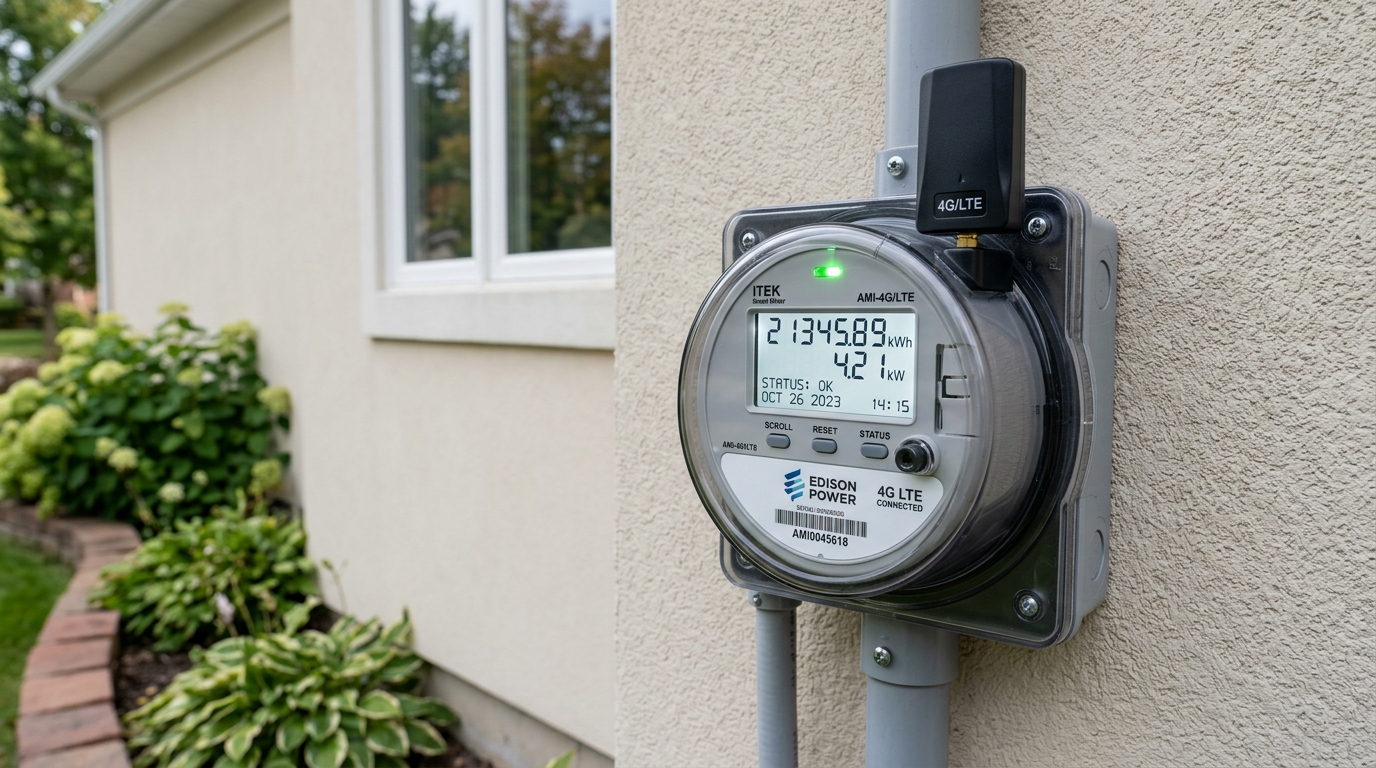
Executive Summary: In an era where Pakistani domestic electricity tariffs exceed Rs. 55 to Rs. 68 per unit and monthly utility bills frequently exceed household food budgets, relying on a once-a-month paper bill to manage energy consumption is like driving a car blindfolded and checking the fuel gauge only after the tank runs dry. By the time your utility bill arrives in the mail, it is too late to prevent crossing into the punitive 301-700 unit non-protected tariff slab or being hit with fuel price adjustments. The single most transformative technological revolution available to Pakistani homeowners in 2026 is the installation of Smart Wi-Fi Energy Meters and IoT Smart Circuit Breakers (Tuya, Sonoff, Shelly, and Tomzn). Mounted directly inside your main distribution board, these miniature DIN-rail devices transmit real-time voltage, current, wattage, and cumulative units directly to your smartphone every 2 seconds. This 2026 engineering manual provides complete wiring schematics, phantom load detection strategies, automated peak-hour scheduling, and Tuya Smart Life integration.
Table of Contents (Jump to Section)
- 1. What is a Smart Wi-Fi Energy Meter? Hardware & Architecture
- 2. Phantom Load Hunting: Uncovering the Silent "Energy Vampires"
- 3. Automated Peak-Hour Shutdown: Saving Rs. 12,000+ per Month Automatically
- 4. Wiring Schematics: In-Line vs Split-Core Current Transformer (CT) Clamps
- 5. Over-Voltage & Low-Voltage Digital Protection (All-in-One Breakers)
- 6. Pre-Paid Budget Tracking: Setting Monthly Slab Alerts on Your Phone
- 7. Solar Bi-Directional Monitoring: Tracking Solar Self-Consumption vs Export
- 8. Frequently Asked Questions (FAQ)
1. What is a Smart Wi-Fi Energy Meter? Hardware & Architecture
A smart energy meter is a solid-state IoT electrical measurement device engineered to mount directly onto standard 35mm DIN-rails inside your home's main distribution box (DB):
- Internal Measurement Circuitry: Smart meters utilize high-precision Micro-Electro-Mechanical Current Transformers (CTs) and voltage sensing divider networks sampled at thousands of cycles per second by dedicated metering microprocessors. They compute active power (kW), apparent power (kVA), reactive power (kVAR), grid frequency (Hz), power factor (PF), and cumulative kilowatt-hours (kWh) with Class 1.0 (±1%) billing accuracy.
- IoT Cloud Connectivity (Wi-Fi 2.4GHz / Zigbee): The device integrates an onboard ESP32 or Realtek Wi-Fi transceiver that connects to your home wireless router. Real-time telemetry streams continuously to global IoT cloud platforms (Tuya Smart, Smart Life, eWeLink, or Home Assistant), allowing homeowners to monitor power consumption from anywhere in the world on Android and iOS smartphones.
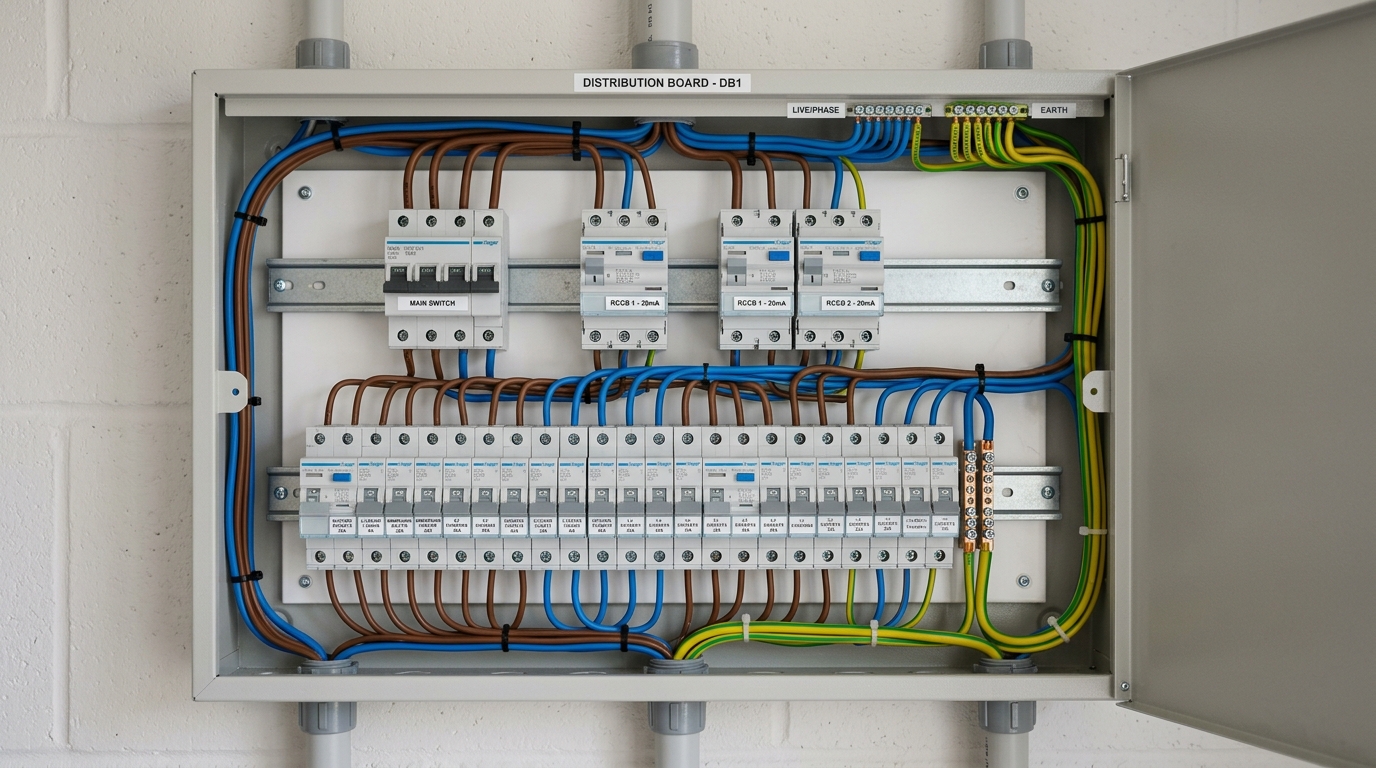
2. Phantom Load Hunting: Uncovering the Silent "Energy Vampires"
The first major financial revelation Pakistani homeowners experience upon installing a smart Wi-Fi meter is uncovering "Phantom Loads" (standby power waste):
- The 2:00 AM Baseline Audit: When your entire family is asleep at 2:00 AM with all air conditioners, lights, and fans switched off, your electricity meter should theoretically draw near-zero watts. In most Pakistani homes, homeowners are shocked to discover a continuous baseline draw of 350W to 600W!
- Identifying the Culprits:
- Old linear transformer UPS chargers idling at 120 Watts continuous draw.
- Television set-top boxes, smart TV standby boards, and gaming consoles consuming 45W.
- Water dispenser hot/cold compressors cycling 24/7 consuming 150W.
- Leaking water heater elements or concealed wall moisture leakage consuming 100W.
- Financial Impact: A 400-Watt phantom baseline running 24/7 consumes 288 electricity units per month—costing over Rs. 16,500 every single month in pure wasted standby power! Eliminating phantom loads cuts bills instantly.
3. Automated Peak-Hour Shutdown: Saving Rs. 12,000+ per Month Automatically
In Pakistan, Time of Use (TOU) 3-phase meters apply punitive tariff rates during evening peak hours (typically 5:00 PM to 10:00 PM or 6:00 PM to 11:00 PM):
- Smart Automated Breaker Routines (Tuya Smart Life): By replacing standard air conditioner and water geyser circuit breakers with Tuya Smart Breakers (featuring integrated motorized relays), you can program automated conditional scenes:
- Scene 1 (Peak Hour Entry): At exactly 5:00 PM, the smart breaker automatically turns off the water geyser, secondary air conditioners, and swimming pool pumps.
- Scene 2 (Peak Hour Exit): At exactly 10:00 PM, the smart breaker restores power automatically to overnight cooling appliances.
- Zero Human Discipline Required: Rather than arguing with family members or forgetting to switch off heavy loads, the smart breaker enforces strict peak-hour discipline automatically, saving 150 to 200 high-tier units every month.
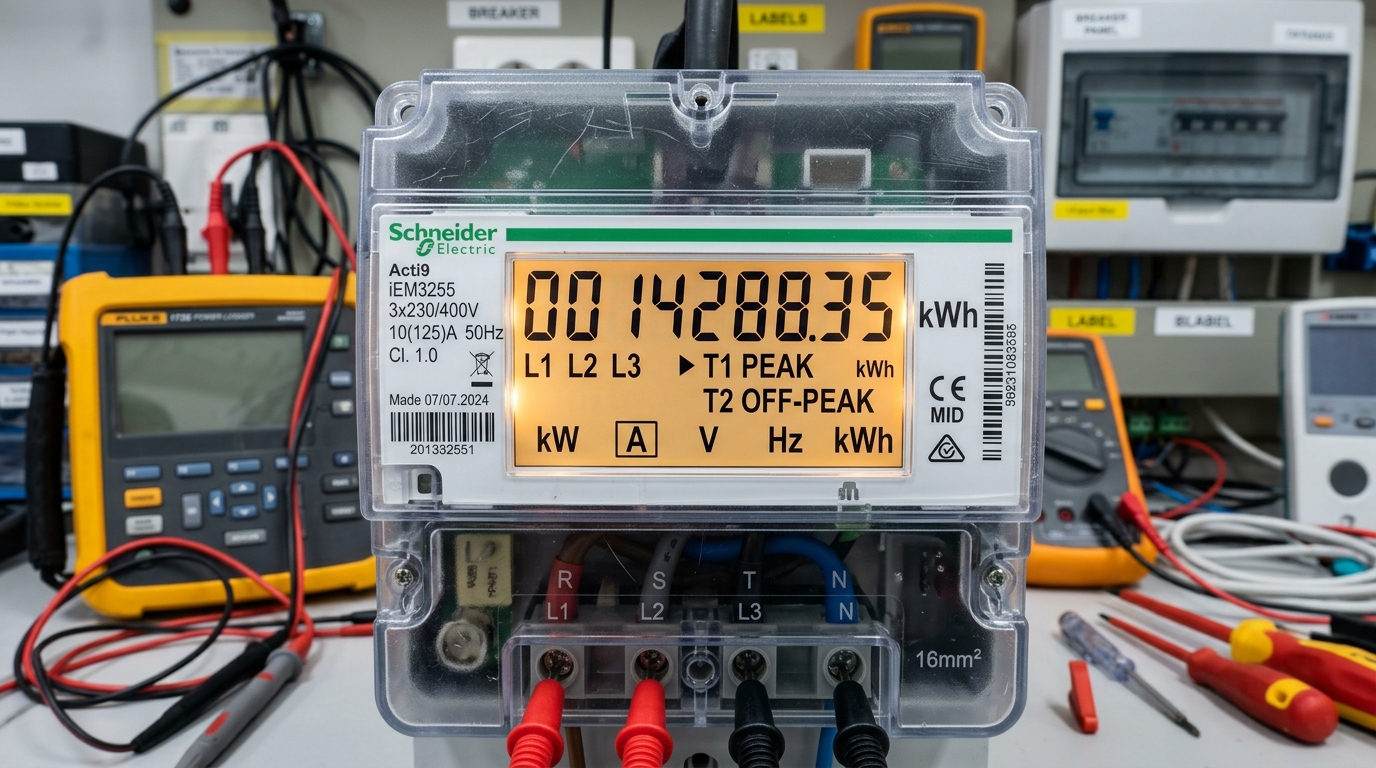
4. Wiring Schematics: In-Line vs Split-Core Current Transformer (CT) Clamps
When purchasing smart meters in Pakistan, you can choose between two primary installation architectures:
| Meter Architecture | Installation Method | Maximum Current Capacity | Safety & Ease of Installation |
|---|---|---|---|
| In-Line Direct Connection (e.g. Tomzn DDS238-2) | Main incoming phase wire must be cut and passed directly through meter screw terminals | Typically 60A to 80A continuous | Requires de-energizing main power supply. Screw terminals can loosen if not torqued properly. |
| Split-Core CT Clamp (e.g. Tuya PC311 / Shelly EM) | Hinged magnetic ferrite clamp snaps over existing insulated cable with zero cutting! | 80A to 300A per clamp | 100% Non-Invasive & Extremely Safe! Can be installed live without shutting down power to the house. |
5. Over-Voltage & Low-Voltage Digital Protection (All-in-One Breakers)
Modern smart breakers (such as the Tomzn Smart Wi-Fi Breaker) combine four separate devices into a single modular unit:
- Digital Voltage Regulator Cut-Off: Program upper voltage limits (e.g. 260V) and lower limits (e.g. 175V). If a neighborhood transformer neutral snaps and grid voltage spikes to 280V, the smart breaker trips in under 100 milliseconds, protecting televisions, refrigerators, and air conditioners from catastrophic overvoltage burnout.
- Overcurrent Current Limiter: Set maximum permissible current (e.g. 32A). If household demand exceeds this threshold, the breaker alerts your phone and cuts power, preventing main utility fuse blowouts.
- Leakage Protection (RCCB Emulation): Advanced models feature adjustable residual current tripping (10mA to 90mA) to protect against human electrocution.
6. Pre-Paid Budget Tracking: Setting Monthly Slab Alerts on Your Phone
Under Pakistan's non-protected tariff structure, crossing the 300-unit threshold triggers dramatic retroactive tariff increases:
- Smart Life Monthly Target Budgeting: Set a monthly consumption target of 290 units in the mobile app. When cumulative consumption reaches 250 units, the app triggers a push notification: "Warning: 85% of monthly electricity target reached. Switch non-essential ACs to ECO mode."
- End-of-Month Bill Reconciliation: Compare your smart meter's digital log against the utility bill's meter reading photograph. If the utility meter reader entered an incorrect inflated reading, your timestamped smartphone daily energy log provides clear proof to demand an immediate billing correction!
7. Solar Bi-Directional Monitoring: Tracking Solar Self-Consumption vs Export
For solar system owners, dual-clamp smart meters (such as Tuya Dual-Channel or Shelly 3EM) provide complete energy flow visualization:
- Channel A: Clamped onto the incoming utility grid line (measuring grid import and grid export).
- Channel B: Clamped onto the solar inverter output line (measuring total gross solar generation).
- The smartphone app displays real-time solar self-consumption percentage, battery charging efficiency, and net export units, allowing homeowners to maximize daytime self-consumption of free solar photons!
8. Home Assistant Local Automation & Modbus RS485 Integration
For advanced smart homeowners, privacy-conscious engineers, and solar enthusiasts across Pakistan, relying on proprietary Chinese cloud servers (Tuya or eWeLink) presents minor internet dependency limitations. When local internet connections drop or cloud latency occurs, remote automation can lag.
The gold standard in local home energy monitoring is integrating DIN-rail smart meters via Modbus RS485 RTU into a local Home Assistant home automation server (running on a low-power Raspberry Pi). Home Assistant polls the smart energy meter every 500 milliseconds over local shielded twisted-pair cables with zero internet requirement. You can display dynamic real-time energy Sankey flow diagrams on wall-mounted tablets, automate AC loadshedding during grid outages, and archive years of uncompressed historical power data locally.
8. Frequently Asked Questions (FAQ)
How much does a smart Wi-Fi energy meter cost in Pakistan?
A single-phase smart Wi-Fi energy meter (such as Tomzn or Tuya) costs between Rs. 3,500 and Rs. 6,500 in Pakistani markets. Three-phase smart meters range between Rs. 10,000 and Rs. 16,000.
Does a smart Wi-Fi meter work during internet or Wi-Fi disconnection?
Yes! The smart meter contains internal non-volatile memory that continues recording kilowatt-hours accurately even if Wi-Fi disconnects. Once internet connection is restored, the meter automatically syncs historical data to your smartphone app.
Can a smart breaker protect my appliances from voltage spikes?
Yes. Modern smart breakers feature programmable over-voltage (e.g. cut off above 260V) and under-voltage protection (cut off below 175V) that disconnects power in milliseconds to shield electronics from dangerous grid fluctuations.
Can a smart energy meter lower my electricity bill by itself?
A smart meter does not physically reduce power, but by revealing phantom standby waste, alerting you before you cross into higher tariff slabs, and automatically scheduling appliance shutdowns during peak hours, it typically helps homeowners reduce bills by 20% to 35%.
Q5: Can a smart energy meter be used to detect electricity theft or meter bypass?
Yes! By comparing the real-time kilowatt-hour count on your indoor smart meter against the outdoor utility meter over a 24-hour cycle, you can instantly detect if someone has tapped into your line or if the utility meter is miscalibrated.
Q6: What happens to smart breaker automation if the home internet goes down?
Modern Tuya and Sonoff smart breakers store local schedule routines in internal hardware memory. Automated on/off timers continue executing flawlessly even during complete home Wi-Fi and internet outages.
Need to check or calculate your current utility bill?
Verify your electricity duplicate bill with instant photo-reading verification or calculate slab costs accurately.