Time of Use (TOU) Meter Peak vs Off-Peak Hours Guide in Pakistan 2026 | BillsOnlinePk
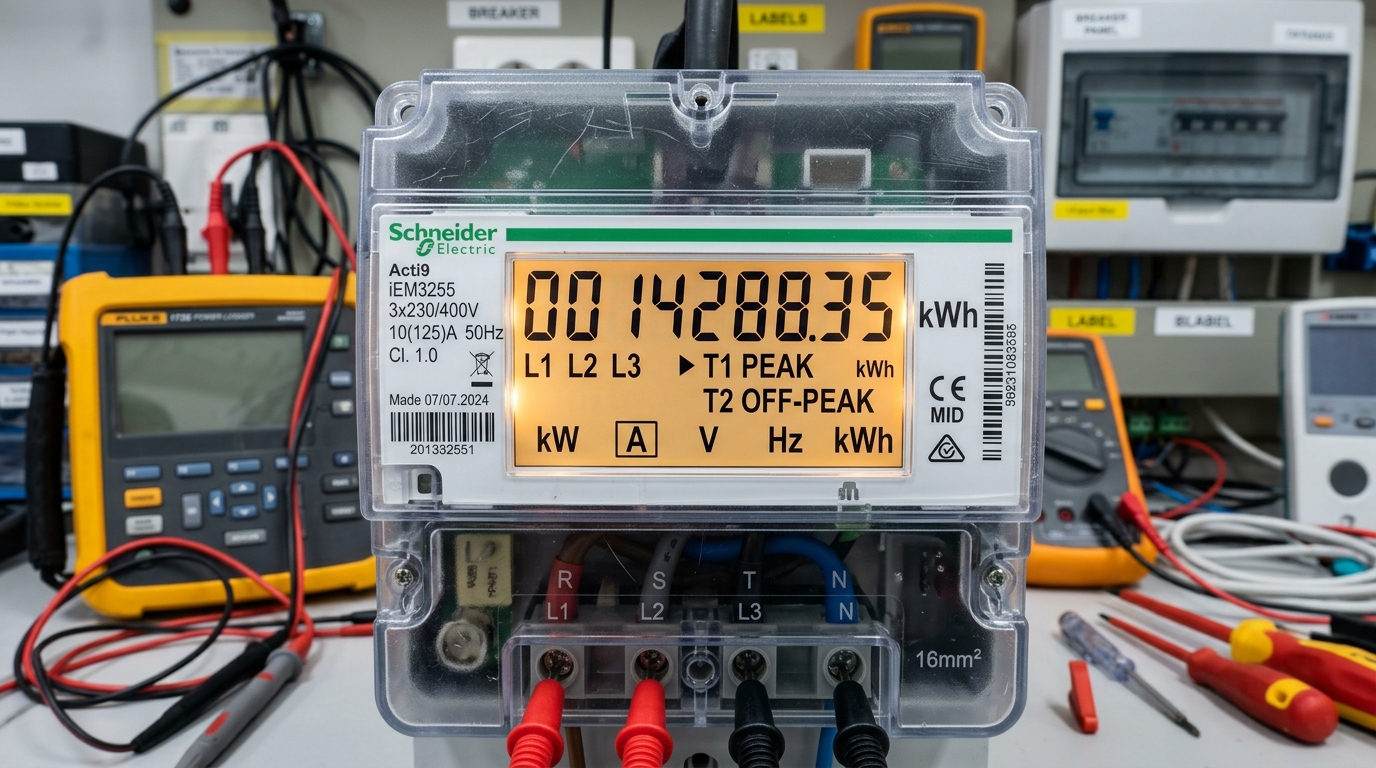
Executive Summary: In the modern Pakistani electricity grid, electricity is not priced equally throughout the day. Under the National Electric Power Regulatory Authority (NEPRA) tariff structure, every residential consumer with a sanctioned load of 5 Kilowatts or higher, and all 3-phase commercial and industrial connections across MEPCO, LESCO, IESCO, FESCO, GEPCO, and K-Electric, are equipped with a Time of Use (TOU) Digital Meter. TOU meters enforce a strict dual-tariff regime that divides the 24-hour day into two distinct categories: Peak Hours (a 4 to 5-hour evening window when the national grid is strained to its absolute limit) and Off-Peak Hours (the remaining 19 to 20 hours of the day). During peak hours, electricity unit rates escalate dramatically to between Rs. 65 and Rs. 75 per kilowatt-hour! Running heavy domestic appliances (such as 1.5-ton air conditioners, electric water geysers, tube wells, or EV chargers) during peak hours can easily double or triple your monthly utility bill. This definitive 2026 engineering manual details official seasonal peak timings, exact tariff differentials, digital timer automation, and behavioral load-shifting strategies.
Table of Contents (Jump to Section)
- 1. Official Seasonal Peak Hours Schedule in Pakistan (2026 Timetable)
- 2. Tariff Economics: Peak vs Off-Peak Unit Rate Comparison
- 3. How to Read Your Digital TOU Meter Screen (Registers 01 vs 02)
- 4. Appliance Power Hierarchy: What to NEVER Run During Peak Hours
- 5. The Pre-Cooling Master Strategy: Running Air Conditioners Smartly
- 6. Hardware Automation: DIN-Rail Digital Timers & Smart Breakers
- 7. Solar Battery Discharge Shifting: The Ultimate Peak Hour Immunity
- 8. Frequently Asked Questions (FAQ)
1. Official Seasonal Peak Hours Schedule in Pakistan (2026 Timetable)
Under NEPRA regulations, peak hours shift throughout the year according to sunset timings and national grid loading curves across all state-owned DISCOs (MEPCO, LESCO, IESCO, FESCO, GEPCO, HESCO, SEPCO, PESCO, QESCO):
| Seasonal Period / Months | Official Peak Hours Window (Daily) | Total Peak Duration | Off-Peak Hours Window |
|---|---|---|---|
| Spring / Summer (March to May) | 6:00 PM to 10:00 PM | 4 Hours Daily | 10:00 PM to 6:00 PM (20 Hours) |
| Peak Summer (June to August) | 7:00 PM to 11:00 PM | 4 Hours Daily | 11:00 PM to 7:00 PM (20 Hours) |
| Autumn (September to November) | 6:00 PM to 10:00 PM | 4 Hours Daily | 10:00 PM to 6:00 PM (20 Hours) |
| Winter (December to February) | 5:00 PM to 9:00 PM | 4 Hours Daily | 9:00 PM to 5:00 PM (20 Hours) |
K-Electric (Karachi) Exception: K-Electric enforces a slightly broader evening peak window (typically 6:30 PM to 10:30 PM in summer). Always verify the printed peak hours schedule on the back of your monthly electricity bill.
2. Tariff Economics: Peak vs Off-Peak Unit Rate Comparison
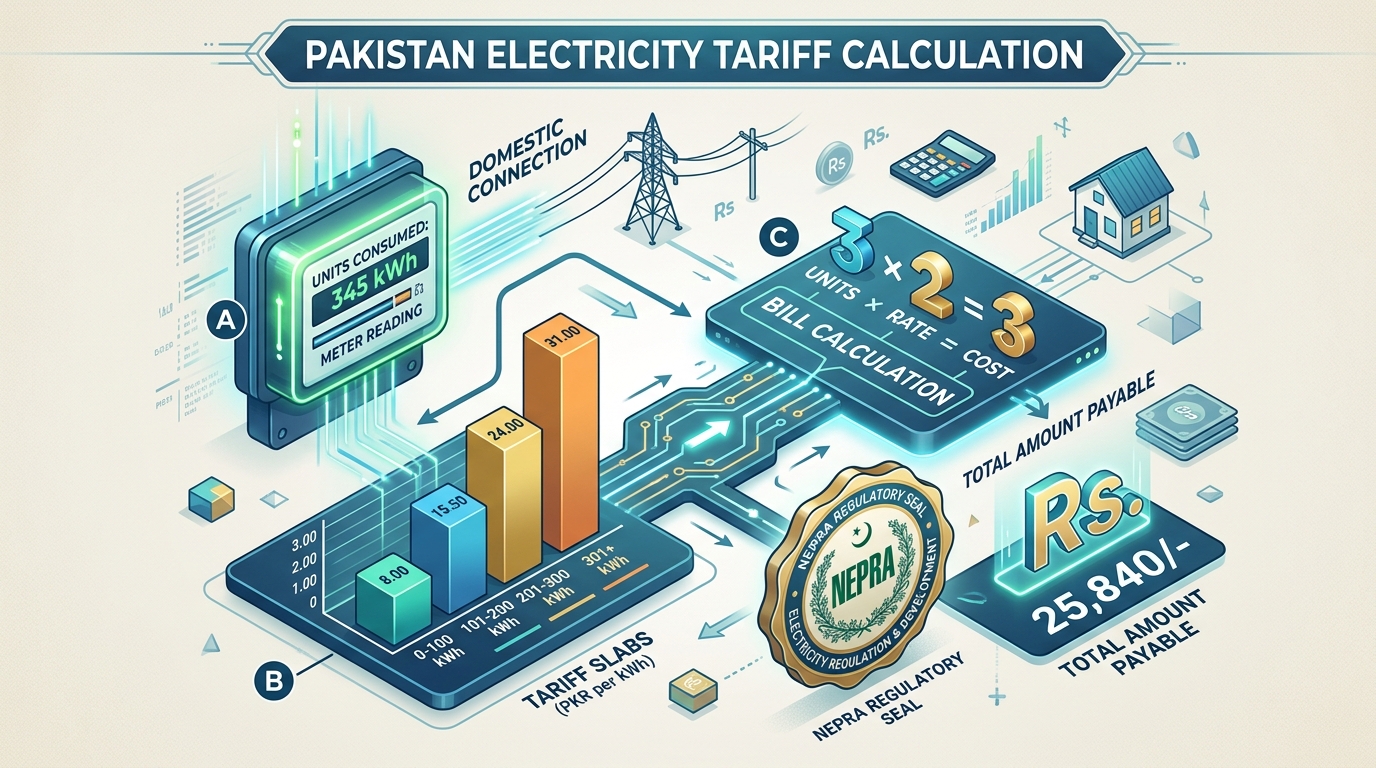
The financial penalty for consuming power during evening peak hours is staggering:
- Off-Peak Base Unit Rate: Typically ranges between Rs. 35.50 and Rs. 42.00 per unit (depending on NEPRA baseline tariff determinations).
- Peak Base Unit Rate: Escalates to between Rs. 58.50 and Rs. 68.00 per unit—representing an immediate 55% to 65% price premium on every single kilowatt-hour!
- The Compounding Tax Effect: Because government taxes (18% GST, Fuel Price Adjustments, Financing Surcharges, and Electricity Duty) are calculated as a percentage of the base energy charge, consuming 100 units during peak hours costs almost twice as much in total cash as consuming those exact same 100 units during off-peak hours!
3. How to Read Your Digital TOU Meter Screen (Registers 01 vs 02)
Modern static TOU digital meters (manufactured by MicroTech, Vertex, and Accurate) cycle automatically through a sequence of digital LCD display screens every 6 to 8 seconds:
- Code / Screen 01 (Off-Peak Total kWh): Displays the cumulative electricity units consumed during off-peak hours since the meter was first energized.
- Code / Screen 02 (Peak Total kWh): Displays the cumulative electricity units consumed during peak hours.
- Code / Screen 03 (Instantaneous Active kW): Displays the exact real-time electrical load currently running in your house.
- Code / Screen 04 (Maximum Demand Indicator - MDI kW): Displays the highest 30-minute peak demand recorded during the current billing cycle.
- Verification Rule: To find your current month's peak consumption, subtract the previous month's Peak Reading (printed on your previous bill) from the current Screen 02 reading on your meter.
4. Appliance Power Hierarchy: What to NEVER Run During Peak Hours
To keep your electricity bill under control, enforce a strict ban on heavy inductive and resistive appliances during the 4-hour peak window:
| Appliance Type | Typical Running Wattage | Peak Hour Status | Recommended Off-Peak Operating Schedule |
|---|---|---|---|
| 1.5HP Water Pumping Motor | 1,200W - 1,600W | STRICTLY BANNED | Fill overhead water tanks at 7:00 AM or 11:30 PM |
| Electric Water Geyser (Storage) | 2,000W - 3,000W | STRICTLY BANNED | Heat water between 5:00 AM and 7:00 AM in winter |
| Automatic Washing Machine + Dryer | 500W - 2,500W | STRICTLY BANNED | Run laundry on weekend mornings or afternoons |
| Electric Clothes Iron (Istri) | 1,000W - 2,200W | STRICTLY BANNED | Batch-iron garments during Sunday afternoon hours |
| Electric Vehicle (EV) Home Charger | 3,500W - 7,400W | STRICTLY BANNED | Schedule charging between 12:00 AM midnight and 6:00 AM |
| 1.5 Ton Inverter Air Conditioner | 800W - 1,800W | RESTRICT TO 1 UNIT | Pre-cool bedroom to 22°C before peak hours; set to 26°C during peak |
| LED Lights & BLDC Ceiling Fans | 12W - 35W | PERMISSIBLE | Safe to operate normally throughout peak hours |
5. The Pre-Cooling Master Strategy: Running Air Conditioners Smartly
In the blistering summer heat of June and July, turning off all air conditioners during peak evening hours (7:00 PM to 11:00 PM) is physically intolerable for most families. Use the Thermodynamic Pre-Cooling Strategy:
- Step 1: Super-Cool Before Peak (5:00 PM to 6:45 PM): Two hours before peak hours begin, close all bedroom doors, pull thermal blackout curtains, and run your 1.5-ton inverter AC at 21°C or 22°C with high fan speed. Because off-peak rates apply, this deeply chills room walls, concrete floors, and furniture into a massive thermal storage reservoir.
- Step 2: Thermal Coasting During Peak (7:00 PM to 11:00 PM): When peak hours begin, increase the AC thermostat to 26°C or 27°C and switch the unit to "ECO / Inverter Gear Mode" (capping compressor capacity at 40%). The pre-cooled thermal mass of the room absorbs body heat effortlessly, and the inverter compressor operates at ultra-low modulation (drawing only 350W to 450W instead of 1,800W!), saving over 75% peak electricity units while maintaining pleasant comfort!
6. Hardware Automation: DIN-Rail Digital Timers & Smart Breakers
Eliminate human forgetfulness by automating peak hour load shedding directly inside your distribution panel:
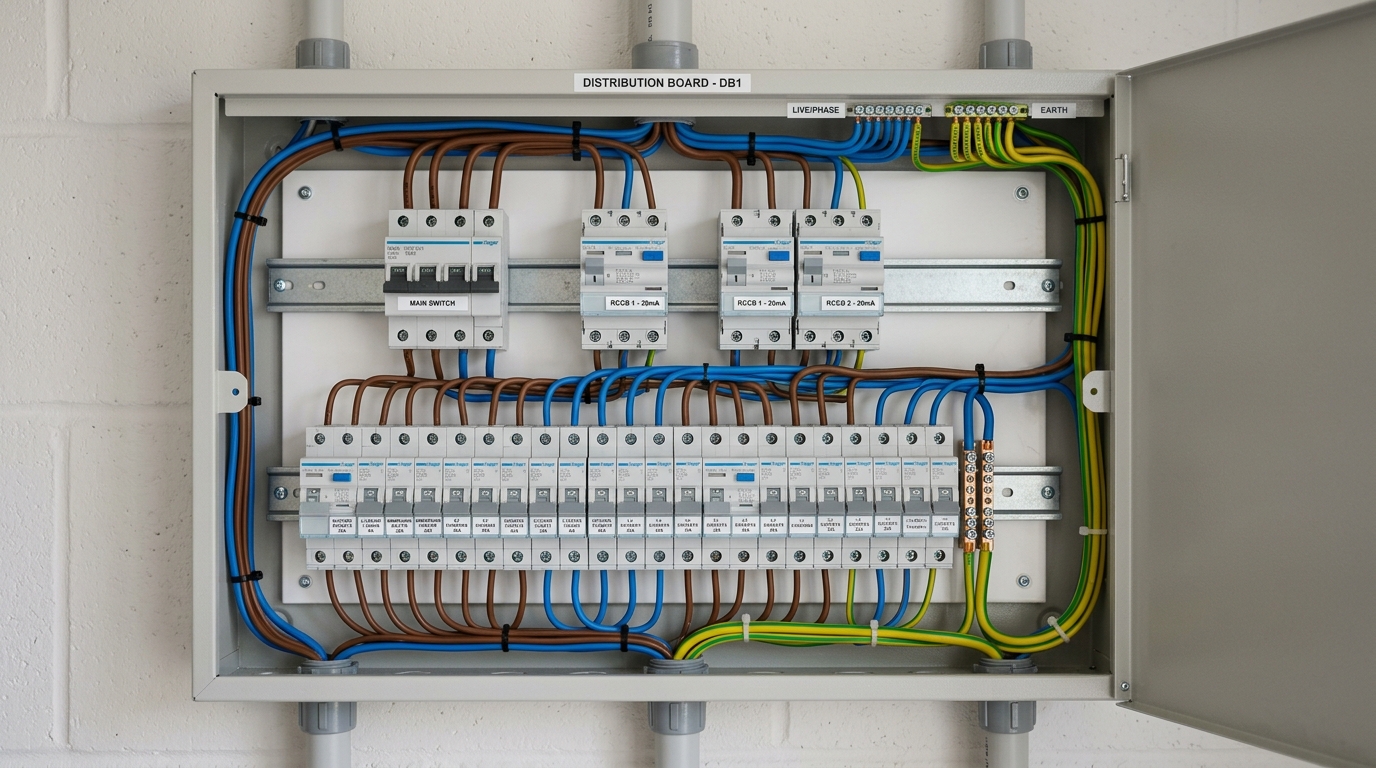
- DIN-Rail Digital Micro-Timers: Install a programmable 220V digital timer switch (such as KG316T or Ginker) on the dedicated circuit breaker supplying your electric water geyser and water pump. Program the timer once to automatically disconnect the contactor coils during official peak hours every day of the week.
- Smart Wi-Fi Tuya Breakers: Utilize smartphone-controlled Tuya smart breakers with automated sunset routines that dynamically adjust disconnect times as seasons shift, completely shielding your family from peak surcharges.
7. Solar Battery Discharge Shifting: The Ultimate Peak Hour Immunity
For homeowners equipped with hybrid solar inverters and lithium (LiFePO4) or tubular battery storage:
- Program "Self-Consumption / Peak Shaving Mode": Program your hybrid solar inverter (Deye, Huawei, Sungrow, Inverex) to withhold battery power during the afternoon, and schedule battery discharge strictly between 7:00 PM and 11:00 PM. Your stored solar energy powers your evening air conditioning and home lighting, completely zeroing out grid import during peak hours!
8. Agricultural Tubewell Peak Hour Sizing: Day vs Night Irrigation Economics
For Pakistani farmers operating 15HP, 20HP, and 30HP electric agricultural tube wells under NEPRA Tariff D, electricity bills during peak summer cotton, rice, and sugarcane seasons frequently exceed Rs. 80,000 to Rs. 180,000 per month. Under agricultural Time of Use tariffs, peak hour penalties apply with extreme severity.
Running a 20HP submersible tube well motor during evening peak hours (7:00 PM to 11:00 PM) draws approximately 16 units per hour (@ Rs. 68/unit = Rs. 1,088 per hour, or Rs. 4,350 per evening!). By shifting irrigation pumping schedules entirely to early morning (4:00 AM to 10:00 AM) and midnight off-peak hours (11:30 PM to 5:00 AM), farmers save over Rs. 40,000 to Rs. 60,000 in monthly tube well electricity bills while irrigating crops when groundwater evaporation losses are lowest!
8. Frequently Asked Questions (FAQ)
What are the peak electricity hours in Pakistan in summer?
In peak summer (June to August), official peak hours are from 7:00 PM to 11:00 PM across all state-owned DISCOs (MEPCO, LESCO, IESCO, FESCO). In spring and autumn, peak hours are 6:00 PM to 10:00 PM.
How much more expensive is electricity during peak hours?
Electricity unit rates during peak hours are approximately 55% to 65% higher than off-peak rates, costing around Rs. 65 to Rs. 75 per unit after including fuel price adjustments and 18% GST.
Do single-phase electricity meters have peak hours in Pakistan?
Standard single-phase residential meters (under 5kW sanctioned load) are flat-rate meters and do NOT have peak hours. Time of Use (TOU) peak metering applies to three-phase connections and loads of 5kW or higher.
How can I tell how many peak units I have used on my digital meter?
Look at the LCD display of your digital meter when it cycles to Code 02. The number displayed on Code 02 represents your cumulative peak kilowatt-hour consumption.
Need to check or calculate your current utility bill?
Verify your electricity duplicate bill with instant photo-reading verification or calculate slab costs accurately.