Electricity Theft (Kundah) Penalties, Detection & Legal Fine Slabs in Pakistan 2026 | BillsOnlinePk
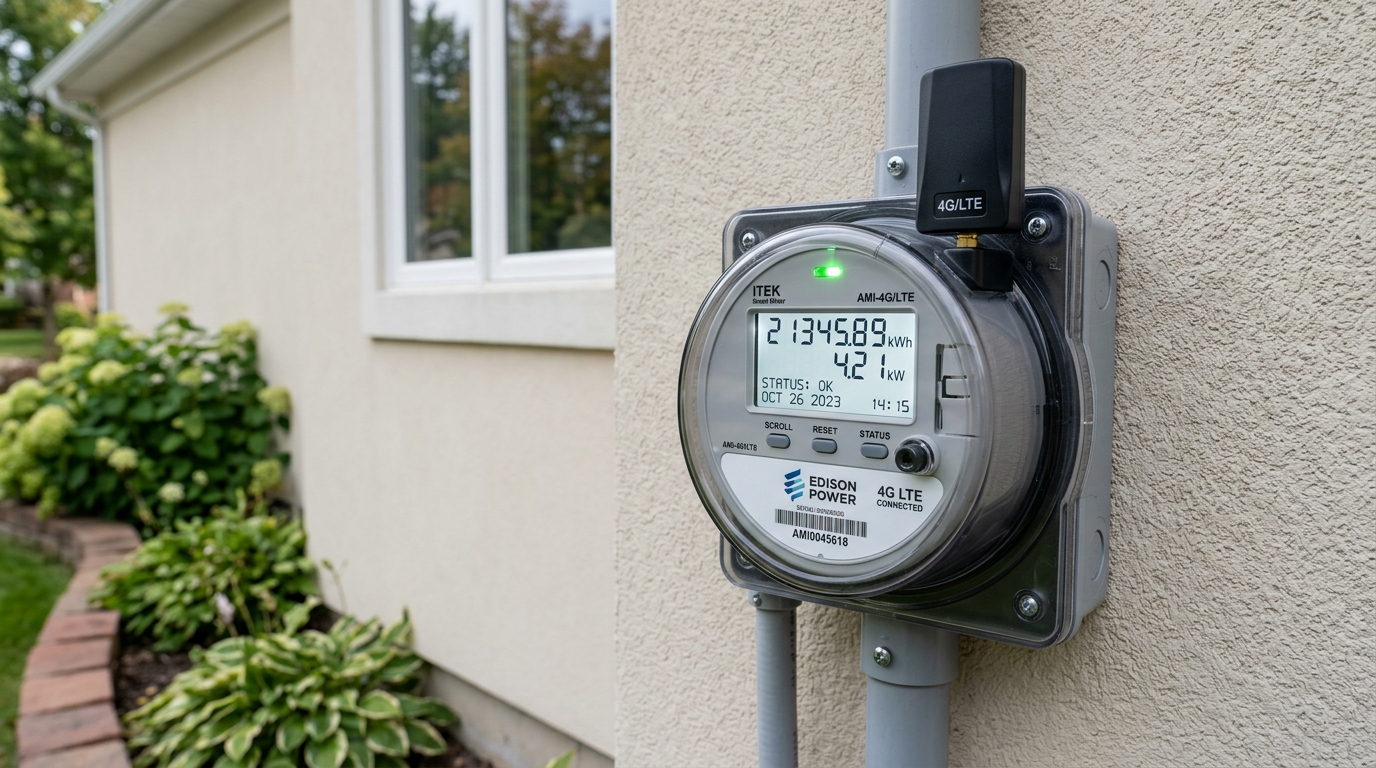
Executive Summary: Electricity theft (popularly termed "Kundah" or meter tampering) remains one of Pakistan's most severe socio-economic crises, costing national power distribution companies (DISCOs) over Rs. 500 billion annually in circular debt. In response, the Ministry of Energy, NEPRA, and law enforcement agencies have enacted aggressive anti-theft legislation, including non-bailable arrest warrants under the Electricity Act, heavy financial penalties, and retroactive detection billing spanning up to 3 years. However, thousands of innocent consumers frequently find themselves slapped with exorbitant detection bills of Rs. 150,000 to Rs. 500,000 due to overzealous inspection squads or faulty digital meters misdiagnosed as tampered. This comprehensive 2026 legal and engineering guide explains how DISCO surveillance squads detect physical and electronic tampering, breaks down detection bill penalty calculation formulas, and provides a lawful step-by-step roadmap to contest false theft allegations before the Electric Inspector and Consumer Courts.
Table of Contents (Jump to Section)
- 1. Legal Framework: Electricity Act 1910 & Pakistan Penal Code (PPC) Amendments
- 2. Technical Detection Methods: How DISCO Surveillance Squads Catch Tampering
- 3. Detection Bill Calculation Formulas: How DISCOs Compute Penalties
- 4. Legal Rights of the Consumer During a Raid: Mandatory DISCO Protocols
- 5. Step-by-Step Legal Defense: Contesting False Detection Bills in Pakistan
- 6. Preventive Measures: Securing Your Meter Enclosure Against Malicious Framing
- 7. Frequently Asked Questions (FAQ)
1. Legal Framework: Electricity Act 1910 & Pakistan Penal Code (PPC) Amendments
Under Pakistan's Criminal Law (Amendment) Act and the Electricity Act 1910, electricity theft has been designated as a cognizable, non-bailable criminal offense:
- Section 39 of Electricity Act 1910 (Theft of Energy): Anyone who dishonestly taps overhead transmission lines, abstracts electricity by bypassing the meter, or alters meter calibration faces rigorous imprisonment of up to 3 years, or a mandatory fine of up to Rs. 1,000,000 (one million rupees), or both.
- Section 39-A (Tampering with Transmission Lines / Meters): Installing illegal jumpers, shunt resistors, neutral loops, or magnetic clamps carries penalties ranging up to 7 years of imprisonment for commercial and industrial connections, accompanied by fines up to Rs. 5,000,000.
- Section 44 (Interference with Meters & Seals): Breaking the utility company's lead, polycarbonate, or holographic seals without written authorization from the Sub-Divisional Officer (SDO) triggers immediate disconnection and statutory fine notices.
2. Technical Detection Methods: How DISCO Surveillance Squads Catch Tampering
Modern electronic meters and AMI smart grids utilize sophisticated telemetry to detect both direct physical bypassing and covert internal tampering:
- Overhead Hook (Direct Kundah) Aerial Inspection: Surveillance teams employ thermal imaging cameras mounted on utility poles or aerial drones to inspect low-voltage Aerial Bundled Cables (ABC). Piercing insulation with needle hooks creates high-resistance contact arcs that show up brightly on infrared thermography.
- Neutral Looping & Reverse Polarity Detection: Some consumers disconnect the meter's neutral return line and drive an external metal earth rod into wet ground to create an artificial return path. Modern static meters feature dual Current Transformers (CTs) on both phase and neutral legs. The internal microprocessor calculates the differential current (I_phase - I_neutral). If the difference exceeds 6%, the meter logs an "Earth Tamper" flag and switches to billing whichever current is higher!
- External Neodymium Magnet Clamping: Placing strong rare-earth magnets near legacy electronic meters saturated the internal sensing transformer cores. In modern meters (compliant with IEC 62053), Hall-effect magnetic flux sensors detect external magnetic fields exceeding 0.5 Tesla. The meter instantly registers a "Magnetic Tamper Event," illuminates a bright red warning LED, and logs the exact timestamp into internal non-volatile EEPROM memory.
- Optical Port Firmware Interrogation: During raid inspections, the M&T testing squad connects an optical scanning probe to the meter front cover. Proprietary software extracts the complete 90-day load profile, recording cover opening events, reverse current spikes, and phase voltage drops.
3. Detection Bill Calculation Formulas: How DISCOs Compute Penalties
When a surveillance squad alleges electricity theft, they issue a Detection Bill. Under Chapter 9 of the NEPRA Consumer Service Manual (CSM), detection bills cannot be levied arbitrarily; they must follow strict mathematical formulas:
| Consumer Category | Assessment Basis | Maximum Permissible Retroactive Billing Period | Connected Load Sizing Rule |
|---|---|---|---|
| Domestic (Residential) | Previous year corresponding month consumption OR sanctioned load factor | Maximum 3 billing months (extendable to 6 months with Chief Executive approval) | Assessed at 80% diversity factor |
| Commercial (A-2) | Assessed load running 10 hours/day for 25 days/month | Maximum 6 billing months | Assessed at 90% load factor |
| Industrial (B-1 / B-2) | Calculated from factory motor nameplate ratings x shift hours | Up to 12 months (or date of last lab calibration) | Continuous production logging |
Illegal Over-Billing Practice: Corrupt local DISCO sub-divisions frequently issue detection bills spanning 12 to 24 months for domestic consumers, demanding Rs. 300,000+. This violates Section 9.1(c) of the NEPRA CSM, which restricts domestic detection assessments to a strict maximum of 3 months in the absence of verified criminal conviction.
4. Legal Rights of the Consumer During a Raid: Mandatory DISCO Protocols
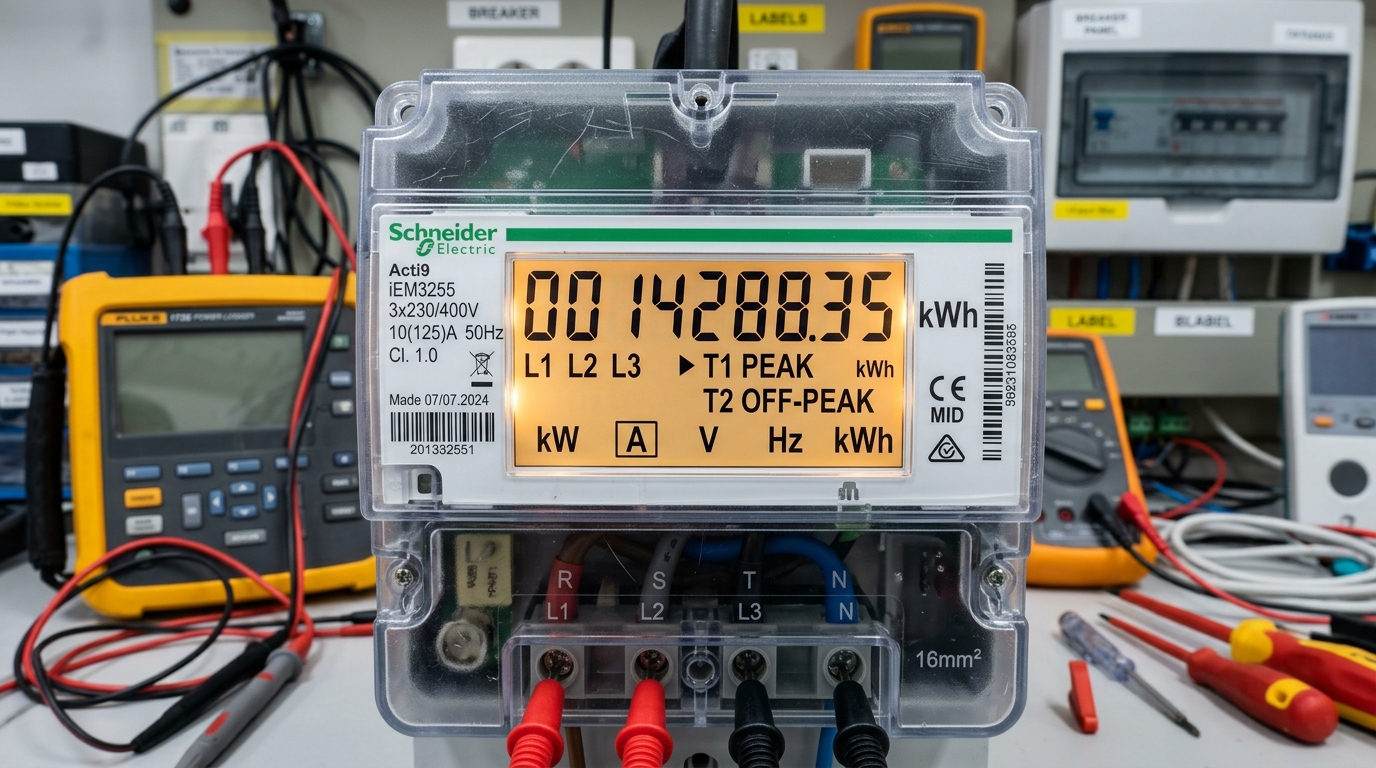
Under NEPRA regulations, a raiding squad must adhere to strict procedural safeguards. If they violate these protocols, the entire theft allegation can be legally quashed:
- Mandatory Gazetted Officer Presence: A raid cannot be conducted by ordinary linesmen or meter readers alone. It must be led by an authorized Sub-Divisional Officer (SDO) or an officer of equivalent rank.
- Seizure Memo & Signatures: If a meter or illegal wire is confiscated, the squad must prepare a formal "Seizure Memo" detailing the exact serial number, condition of seals, and physical evidence. A copy must be offered to the consumer on the spot.
- Laboratory Inspection Notice (Notice Under Section 24): If meter internal tampering is suspected, the meter cannot be opened in secret. The DISCO must pack the meter in a sealed cardboard box in the consumer's presence and issue a formal 7-day written notice inviting the consumer or their electrical engineer to attend the M&T Testing Laboratory inspection.

5. Step-by-Step Legal Defense: Contesting False Detection Bills in Pakistan
If you receive a fraudulent or inflated detection bill from MEPCO, LESCO, IESCO, or any other DISCO, execute this lawful defense roadmap:
- Step 1: Never Pay the Detection Bill Immediately: Paying the detection bill is legally treated as an admission of guilt. Instead, file an immediate written objection letter to the Executive Engineer (XEN) and Superintending Engineer (SE) citing Section 9.1 of NEPRA CSM.
- Step 2: File an Urgent Petition Before the Provincial Electric Inspector (PEI): Under Section 26(6) of the Electricity Act 1910, the Provincial Electric Inspector (an independent judicial officer appointed by the provincial government, completely outside DISCO control) has exclusive jurisdiction over meter accuracy disputes. Once the Electric Inspector accepts your petition, they issue an interim stay order restraining the DISCO from disconnecting your power supply.
- Step 3: Approach the District Consumer Protection Court: In Punjab, Sindh, and KP, District Consumer Protection Courts possess judicial authority to cancel illegal detection bills, fine DISCO officers for harassment, and award damages of Rs. 100,000+ for unlawful disconnection.
- Step 4: Escalate to the NEPRA Consumer Affairs Division (CAD): File an online grievance on the NEPRA portal (nepra.org.pk). NEPRA CAD routinely orders DISCOs to reverse detection bills where mandatory laboratory inspection notices were omitted.
6. Preventive Measures: Securing Your Meter Enclosure Against Malicious Framing
To protect your home against extortion or malicious tampering by unscrupulous individuals:
- Transparent Polycarbonate Security Boxes: Ensure your digital meter is mounted inside a clear, high-impact polycarbonate enclosure box secured with numbered steel wire seals. Never allow linesmen to leave the box open.
- Photograph Meter Seals During Routine Visits: Whenever a DISCO meter reader visits, take high-resolution dated photographs of the terminal cover seal, body seal, and optical port. If an inspection squad later claims a seal is broken, your timestamped photo evidence proves the seal was intact.
- Report Broken External Cables Immediately: If heavy wind, tree branches, or passing trucks damage your incoming service drop wire, lodge an immediate registered complaint on the DISCO 118 helpline. Having an official complaint ticket number prevents linesmen from falsely accusing you of tampering with incoming lines.
7. Frequently Asked Questions (FAQ)
What is the penalty for electricity theft in Pakistan in 2026?
Under Section 39 of the Electricity Act, electricity theft carries up to 3 years imprisonment (up to 7 years for commercial/industrial) and fines up to Rs. 1,000,000, plus retroactive detection billing with heavy surcharges.
How many months of detection bill can MEPCO or LESCO charge?
Under Section 9.1 of the NEPRA Consumer Service Manual, domestic consumers can be billed for a maximum of 3 months. Only in exceptional cases with the written personal approval of the DISCO Chief Executive can it be extended up to 6 months.
Can DISCO disconnect my electricity if I challenge a detection bill in court?
No. If you obtain a restraining stay order from the Provincial Electric Inspector or the Consumer Court, the DISCO cannot legally disconnect your electricity, provided you continue paying your normal routine monthly consumption bills.
Who has the authority to cancel an illegal detection bill in Pakistan?
The Provincial Electric Inspector, the District Consumer Protection Court, the NEPRA Consumer Affairs Division, or the DISCO Review Committee (SE/Chief Engineer level) have full statutory authority to cancel or reduce illegal detection bills.
Need to check or calculate your current utility bill?
Verify your electricity duplicate bill with instant photo-reading verification or calculate slab costs accurately.